
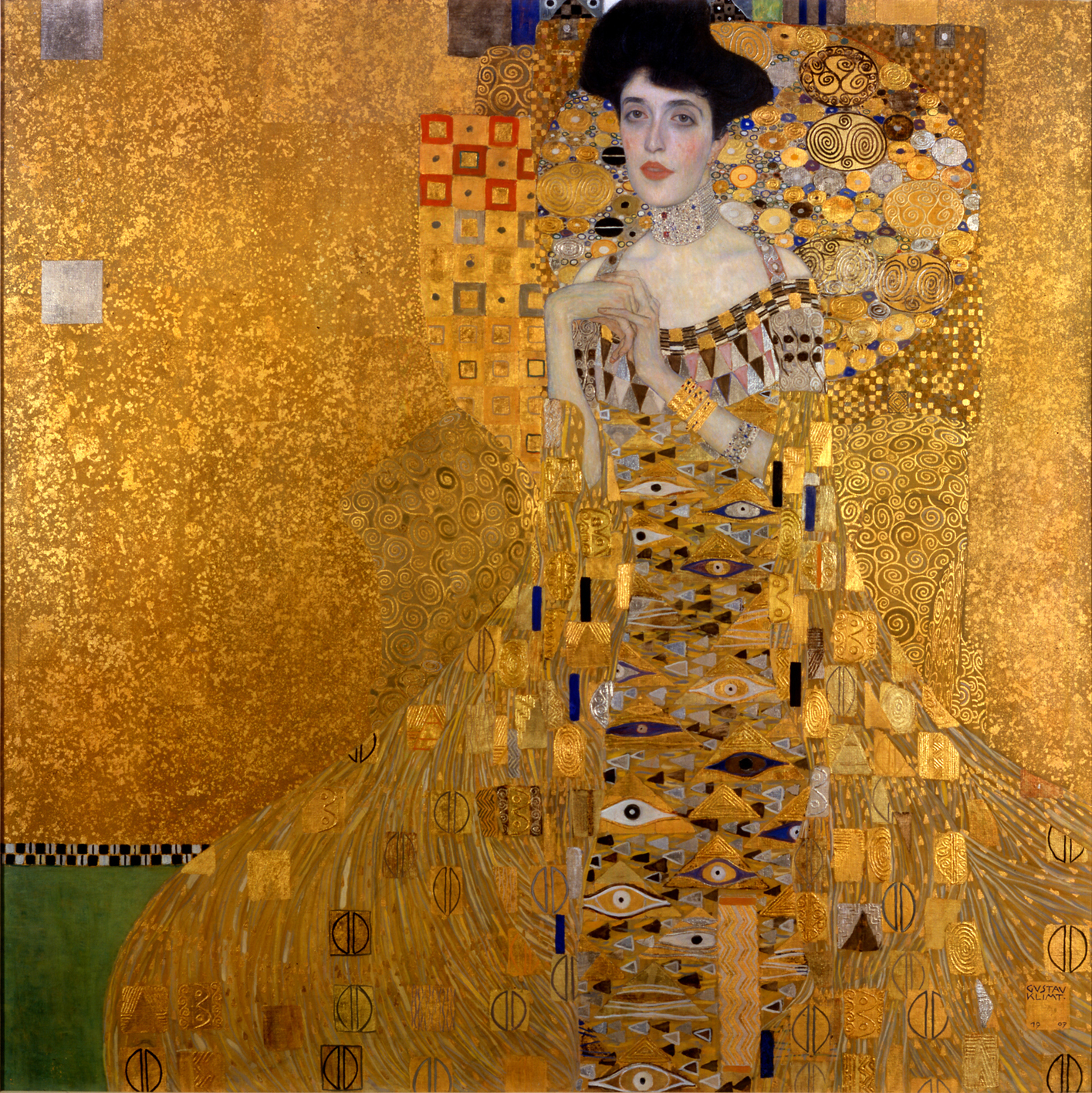
The Sale That Turns on a Folder
A collector prepares to consign a mid-century painting she has owned for two decades. The picture is unquestionably by the artist; no one disputes it. What she does not have, cleanly, is the paper: the original invoice from the dealer, now dissolved; the loan agreement from a museum show in the 1990s; a certificate from a foundation that has since disbanded its authentication committee. Nothing about the painting has changed in those twenty years. What has changed is the folder around it — and the folder, she is coming to understand, is a great part of what she has to sell.
At the top of the market, this is the arithmetic working beneath the headline results. The first half of 2026 was the strongest in years — Christie's auction sales up 71% year on year, Sotheby's up 59%, five lots above the $50 million mark, with Pollock and Brancusi entering the $100 million club for the first time. The more telling pattern was where the money concentrated: single-owner collections and estates with continuous ownership. The Newhouse and Gund consignments alone accounted for roughly half of Christie's entire New York marquee week, and the Joe Lewis collection made up about three-quarters of one London evening sale.
Some of that is supply. Estates come to market on their own schedule, pushed by death, tax and timing rather than by taste, and 2026 was a year when a great deal of long-held material moved at once. But the premium those consignments commanded is not sentiment. Academic inclusion in an artist's catalogue raisonné, a credible exhibition history, a recognizable collection pedigree: each tends to move price in the same direction, because each makes the work easier to defend, insure, lend and, eventually, resell. Buyers treat documentation as a form of risk control, and they pay for it accordingly. A seller cannot choose when an estate comes to market. She can choose what is in the folder when hers does.
Authentication Is a Dossier, Not a Story
Three questions hide inside the word provenance, and they fail in different ways. Is the work what it is said to be? Where has it been? And who is entitled to sell it? A file can be strong on one and silent on the others, and each silence prices differently.
Collectors often talk about authentication as if it were a single moment: an expert looks, nods, and the matter is settled. In practice, it is closer to a file that grows over time. It begins with the mundane things that prove where a work came from and how it moved: invoices, prior sale receipts, shipping and customs paperwork, exhibition catalogues, condition and conservation reports, high-resolution photographs of the front and back, and images of labels and stamps. Scientific testing and technical analysis may join the file. A USPAP-compliant appraisal by a certified appraiser sits within it. A scholar's opinion, or inclusion in the catalogue raisonné, rests on top of that foundation rather than standing in for it.
This matters more now because some of the old gatekeepers have stepped back. A cluster of artists' foundations closed their authentication committees in the early 2010s — Warhol in 2011, Basquiat and Haring in 2012, with Lichtenstein and Noguchi following — largely because of litigation risk. The result is not a free-for-all, but a shift in emphasis. Where a foundation letter once carried outsized weight, buyers now lean harder on documentary chains, catalogue inclusion and independent technical work. A certificate can still help, but it is rarely the whole story.
The Sotheby's case involving Andrew Crowley shows what happens when the story is built on paper alone. In May 2026 Crowley received a two-year sentence, suspended for two years, plus 200 hours of unpaid work, after admitting fraud by false representation over an attempt to sell three Cycladic figures and an Anatolian "stargazer" statuette through the London saleroom on forged provenance — invoices purportedly dated 1976 from the London dealer K.J. Hewett. Forensic work found that the printer technology post-dated the 1970s, and detectives working with the FBI obtained a statement from the typeface's American designer confirming it was not created until 2001.
What stopped the sale was not law enforcement. Sotheby's specialists noticed that the dealer's embossed logo had been applied by hand rather than pressed with a stamp, and that the supplier's own name was misspelled; the house referred the matter to the Met's Art and Antiques Unit in October 2022. The judge put the objects' value at £340,000; the prosecution had argued £680,000 — even in a courtroom, the things were hard to price. "Robust provenance documentation is not a formality but a first line of defence," says Angelina Giovani-Agha, founder of the provenance research platform Be My Source. The objects were almost incidental. The crime lived in the paperwork.
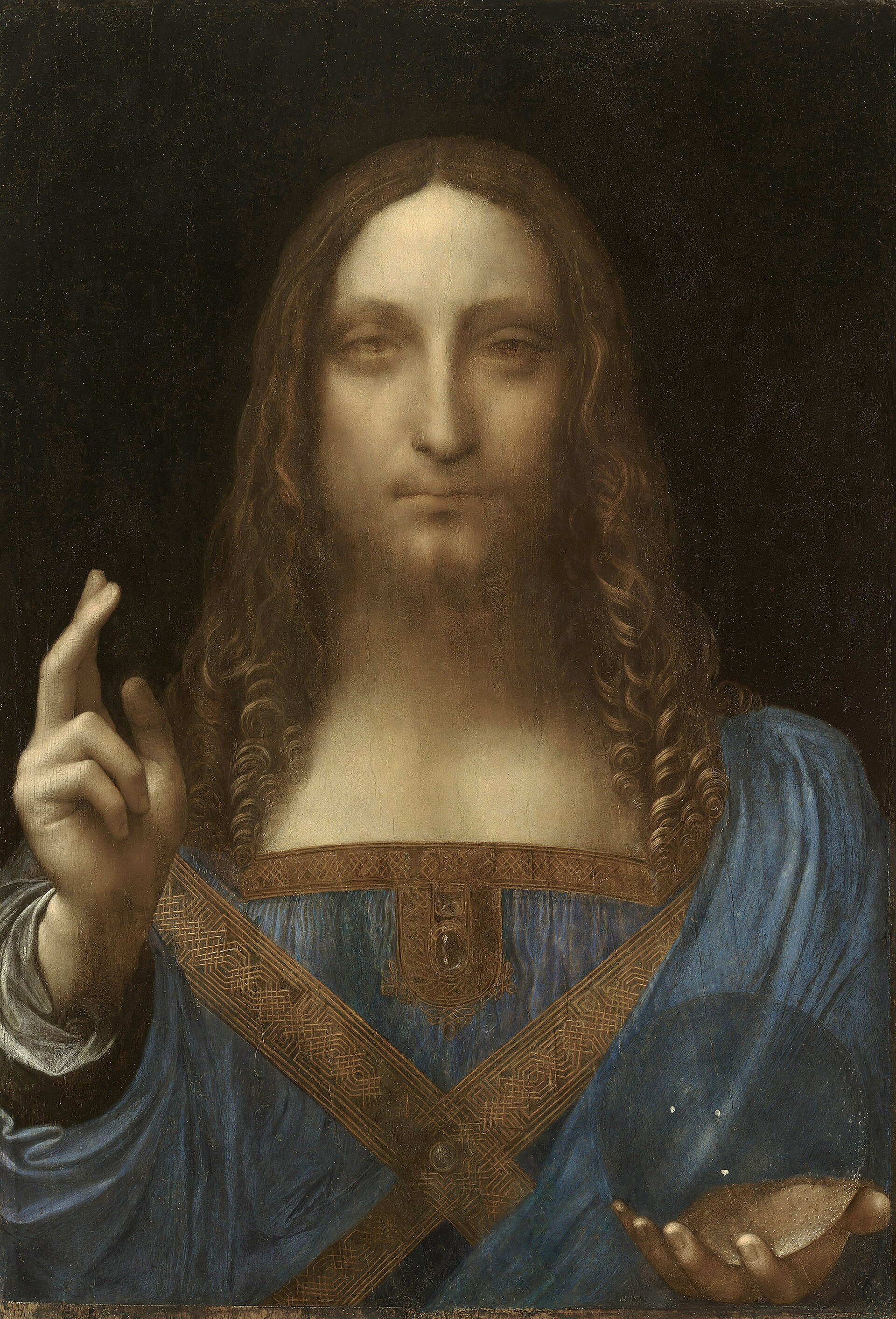
When the Paper Fails
The risk here runs in one direction: a secure attribution can multiply a work's value, while a revoked one can erase it — and even a lingering dispute can render a work effectively unsellable, because few buyers want to inherit an argument they did not start. There is no reliable figure for what this costs in aggregate. The FBI says only that art and cultural property crime causes "billions of dollars in losses every year," and INTERPOL states it holds no figures capable of sizing the illicit trade — the widely quoted "$6 billion a year" was traced in 2013 to a 1972 magazine feature rather than any study, and judged to be without statistical merit. What can be counted is narrower and more useful: the Art Loss Register runs more than 400,000 checks a year against a database of over 700,000 stolen and looted items. What the market fears is not only fakes, but uncertainty that cannot be priced.
Ownership belongs in the same category of risk. A work can be unquestionably by the artist and still be a problem asset if title is contested. In 2026, members of the Zeckendorf and Nicholson families filed claims seeking the proceeds of a Pierre Soulages painting sold at Christie's for roughly $5m, alleging that the work had disappeared from a family trust decades earlier without lawful transfer. Title passed to the buyer and the money sits in escrow: the picture was never in doubt, only the chain of custody behind it. Strong provenance enhances both value and buyer confidence; records in review, or open to challenge, can create uncertainty that persists for decades.
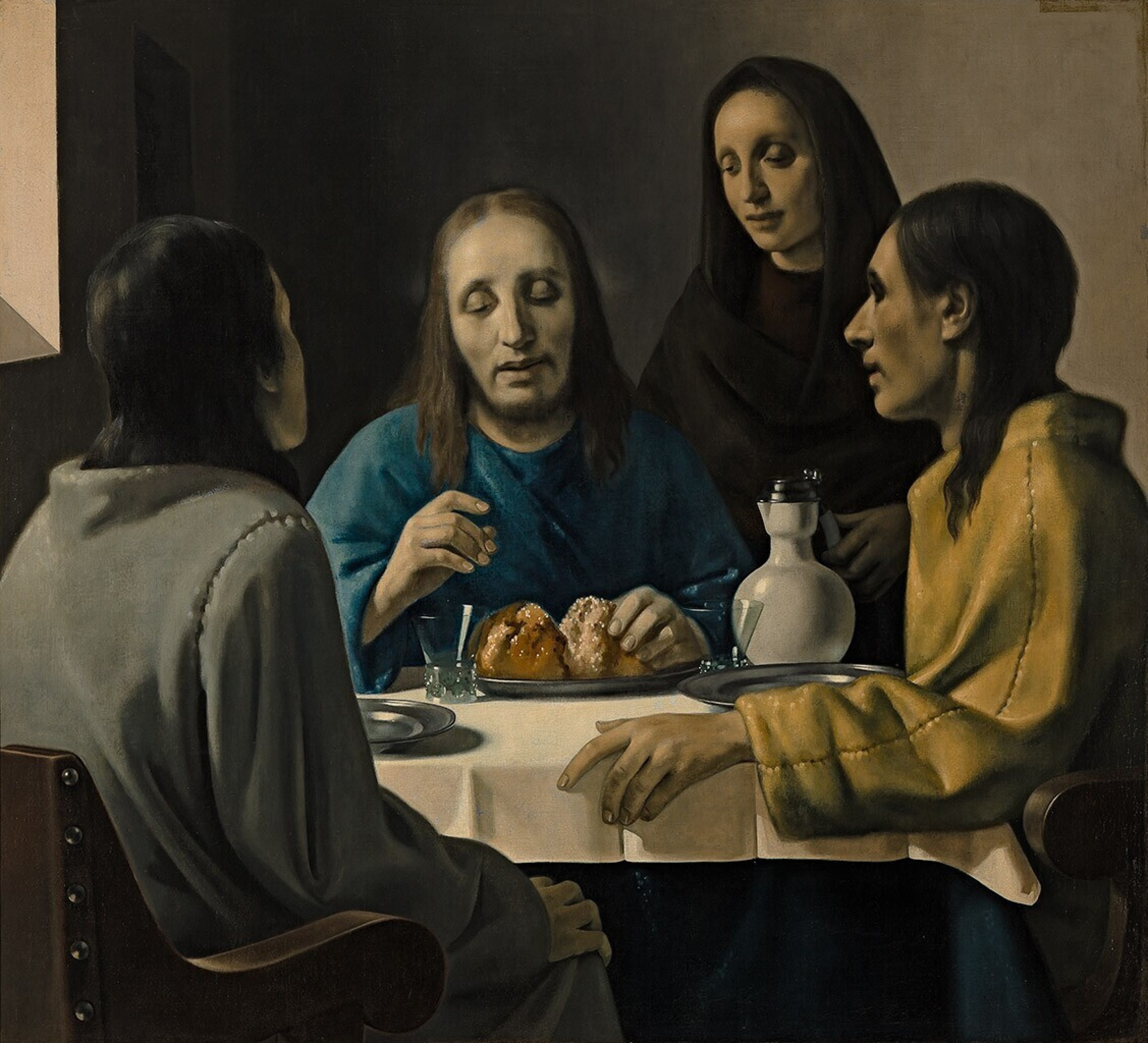
Antiquities carry the problem in its purest form, because the absence of paperwork is often the point. Christos Tsirogiannis, who leads illicit-trafficking research for the UNESCO Chair on Threats to Cultural Heritage at the Ionian University, estimates that some 90% of antiquities on the market are sooner or later shown to be illicit or undocumented — an estimate rather than a census, drawn from his work matching auction lots against seized dealer archives, which is exactly where suspect material surfaces. Discount it heavily and it still explains why buyers in the field treat a thin file as effectively disqualifying. The question resurfaced in July 2026, when the actor Zendaya wore ancient gold medallion plaques, remounted as earrings by the jeweller Glenn Spiro, at a London photocall. The attribution to Iran's Ziwiye hoard is the Mayfair dealer Barron London's own — which, in a story about documentation, is rather the point.
Forgery runs the same logic in reverse: when a paper trail collapses, it takes the objects with it. In Canada's Morrisseau investigation, Art Experts Canada Inc. reported that more than fifty paintings falsely attributed to Norval Morrisseau were removed from the market in 2026 through purchase or a fakes acquisition program and, the firm says, permanently marked as fakes. Once that happens, no one wants to be the last owner.
Treating the File as Part of the Asset
For the owner of a significant collection, the practical implication is straightforward: the dossier is not a by-product of ownership but part of the asset itself, and it decays when left alone. Foundations close, dealers retire, exhibition records migrate between institutions, and condition drifts. A file that felt adequate at acquisition in 2005 can look thin in 2026, not because anything has been lost, but because expectations have risen and the surrounding infrastructure has shifted.
The sensible approach is to treat provenance and authentication work as part of the acquisition, not as an optional cleanup before a sale. That means budgeting for checks and research, insisting on authenticity and title warranties in the sale agreement, and securing return periods where possible. It also means resisting the temptation to assemble a history at the last minute, when the easiest documents to obtain are often the least persuasive. The decision to consign, to lend, to hold, remains the collector's; a fuller file simply makes that decision cheaper to act on.
Continuous documentation, kept current rather than reconstructed in a hurry after a death or ahead of a consignment deadline, is what makes a collection legible to insurers, lenders and heirs. It is the difference between a work that can move when the owner needs it to move and one that cannot. This is the kind of work that collection-intelligence services and provenance platforms, including Cove and others, are built to support: keeping the file alongside the object, and keeping both current. When the question finally arrives, the answer is already in the folder.